What changed
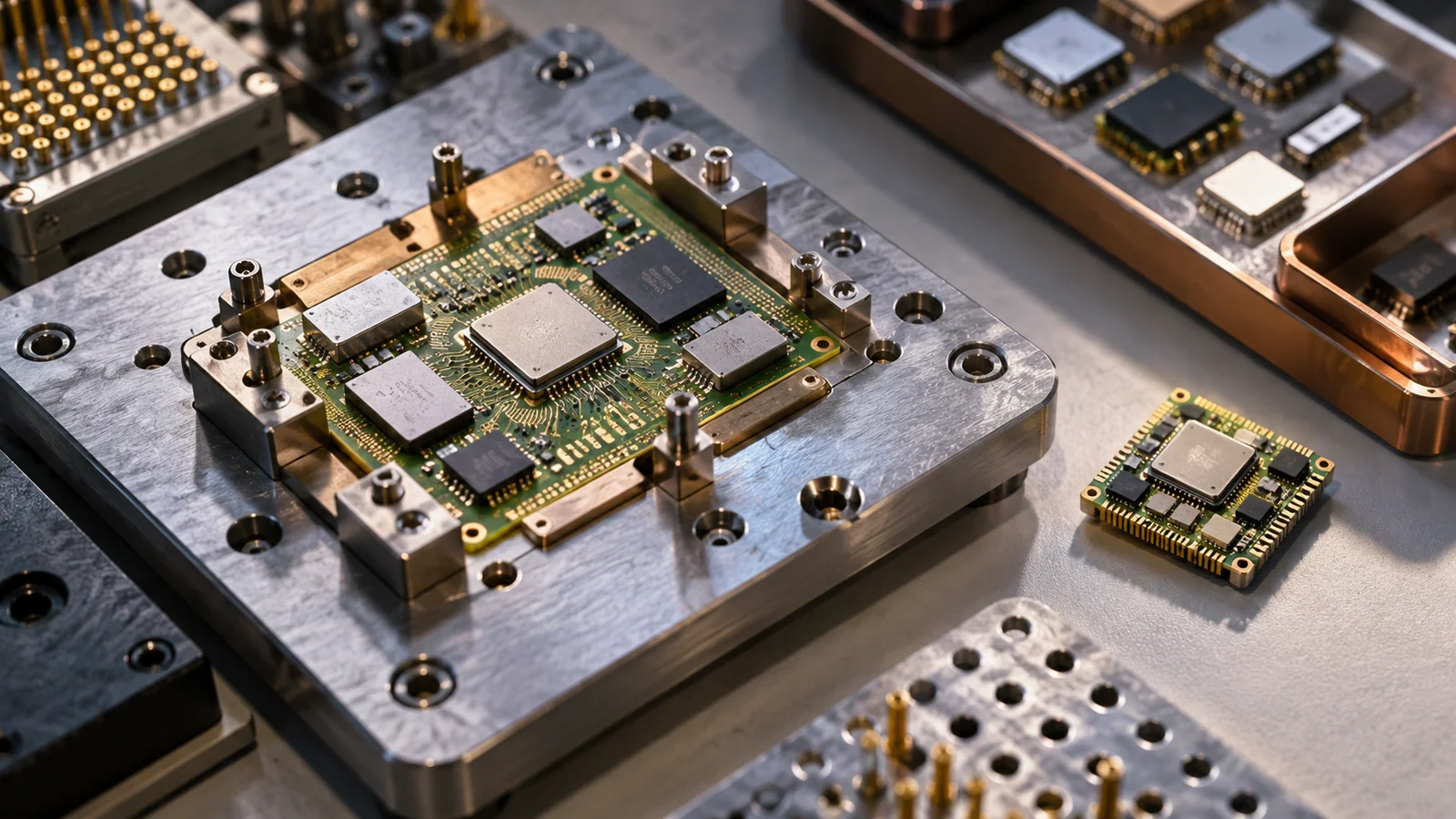
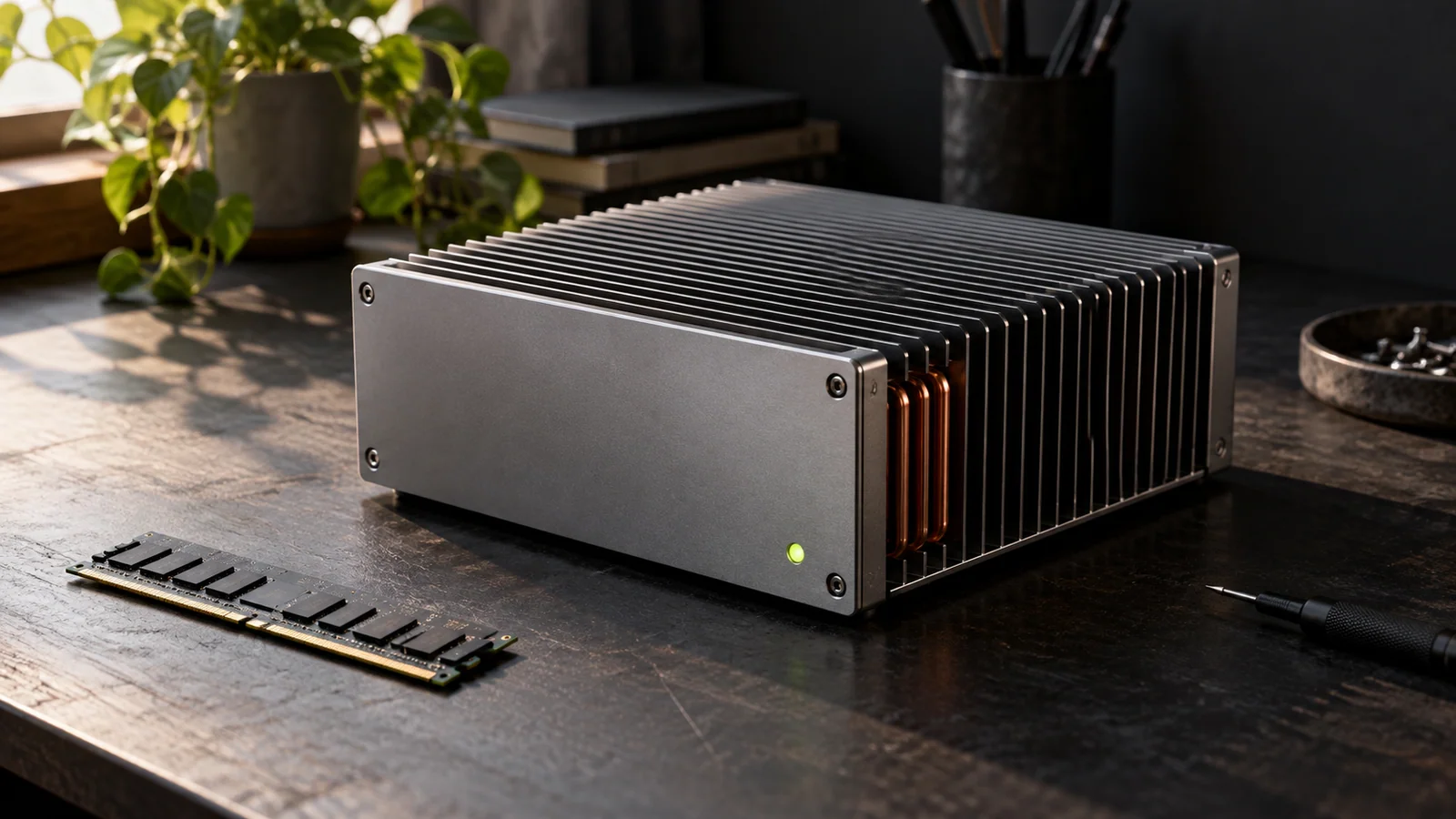
NVIDIA announced a 64GB DGX Spark configuration on October 2, with partner availability scheduled for October 23 and a stated starting price of $4,999. It uses the GB10 Grace Blackwell platform and NVIDIA's AI software stack. NVIDIA also describes connecting two units through its Sync Cluster Assistant for larger workloads. As of this article's publication, that announced release date is still ahead. Performance and capacity statements in the announcement are NVIDIA's claims, with practical results depending on the model and workload.
Source: NVIDIA: DGX Spark 64GB Gives Developers More Ways to Build and Scale Local AI ↗
Our take: a hardware announcement is not a shopping instruction
The useful question for an independent builder is what you want to run regularly. If you are learning prompts or making occasional prototypes, buying an expensive dedicated machine may solve a problem you do not have. Our advice is to test a small model on hardware you already own or use a tightly budgeted hosted experiment. Measure the waiting time, memory use and cost. A specific recurring bottleneck gives you a reason to compare upgrades; excitement about local AI does not by itself establish one.
Privacy still needs a workflow
Running a model on your own hardware can be appealing when your work contains material you prefer to keep close. Our reminder is that the surrounding application matters too: plugins, connected services and backup systems may still move information elsewhere. Check that path before assuming every action stays on the device. For a practical portfolio exercise, document one local workflow and its limits. Include the setup effort and failures alongside the successful output. That is more useful to other beginners than a claim that one box replaces every cloud service.
Try this, then make it yours.
Run one small local model on your existing computer and note memory use, response time and what you actually need to improve.
Explore the tool ↗Follow the signal.
Our reporting starts here. Practical suggestions are our analysis, and vendor performance statements are claims unless independently verified. We haven’t hands-on tested this release.