A device signal is not the whole conversation
Ray-Ban’s current US FAQ describes an outward-facing capture indicator for photos and video, a Meta account and app requirement, and camera-based AI features that process a photo in Meta’s cloud. Its documentation also distinguishes features and availability across models and regions.
Those details are reasons to read the current instructions for your exact device and feature. They are not a promise that everyone nearby understands what the device is doing. This is an ethics explainer, not a new-product announcement, legal guidance, or a hands-on review.
Source: Ray-Ban US: Ray-Ban Meta frequently asked questions ↗
Ask about the actual use
Our suggested starting point is a plain explanation of what you want to capture and why. Asking to take a short clip for a private project is more specific than asking whether someone minds your glasses. If AI processing or sharing is part of the plan, say so before capturing.
Make declining an ordinary option. You can put the device away, choose a subject with no people in frame, or take written notes instead. A useful demonstration does not need to persuade an uncomfortable person to participate.
For a group activity, decide on a no-capture area or period in advance. That gives people an understandable boundary rather than expecting them to watch for a light throughout a conversation.
Check the path beyond the lens
Before using camera-based AI, identify what the selected feature sends off the device and which current settings and policies apply. Do not assume that choosing not to post something means no remote processing occurs. If you cannot explain the data path, use a non-sensitive demonstration subject while you investigate.
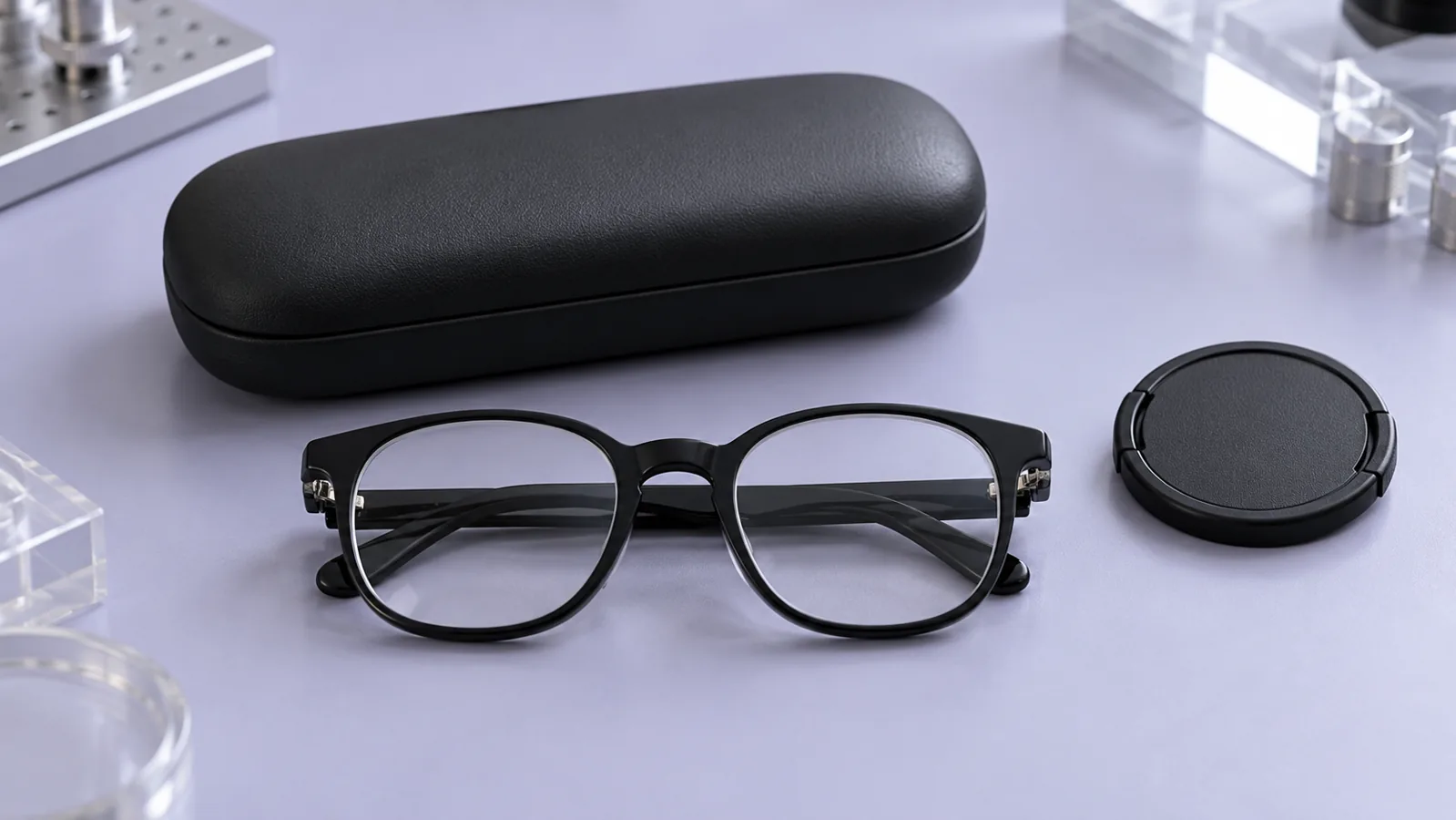
If you are considering Ray-Ban Meta Gen 2 glasses (affiliate link), treat the exact frame/lens variant, phone compatibility, account requirements, regional features, and privacy controls as pre-purchase checks. They are an optional device example, not a requirement for learning this habit; the same conversation is useful when someone records with an existing phone.
As an Amazon Associate I earn from qualifying purchases. This optional recommendation is not a claim of hands-on testing.
Avoid making another person’s private documents, messages, or surroundings part of a spontaneous demo. A small object you own can demonstrate the idea without introducing their information.
Practice the stop before the start
A simple rehearsal needs no recording at all. Explain a fictional capture plan to a friend, ask whether the purpose and audience are clear, and invite them to change one boundary. Then practice responding without negotiation: put the device away and continue the conversation.
For a real project, revisit permission if the plan changes from private viewing to public sharing. Our ethical recommendation is to give people a fresh choice when the use changes, rather than treating an earlier yes as unlimited approval.
The good outcome is not just a technically successful clip. It is a situation where the people involved know what is happening and can comfortably ask for it to stop.
Try this, then make it yours.
Rehearse a capture explanation with no recording: purpose, audience, AI processing, and a clear way to say no.
Explore the tool ↗Follow the signal.
Our reporting starts here. Practical suggestions are our analysis, and vendor performance statements are claims unless independently verified. We haven’t hands-on tested this release.