The update behind the models
On October 9, Ai2 described a replacement for its priority-based GPU scheduler. Its approach combines time budgets, fair-share allocation, and minimum runtime agreements. Researchers spend an allocation of compute time; resumable jobs can later be paused and requeued to make room for other funded work.
Ai2 reports delivering 98% of the GPU hours teams were owed over a 30-day test, while cluster occupancy stayed at 98%. Those are internal operational results. Occupancy means hardware was assigned to workloads; it does not by itself prove every assigned GPU was computing efficiently or every experiment was worthwhile.
A useful lesson for smaller projects
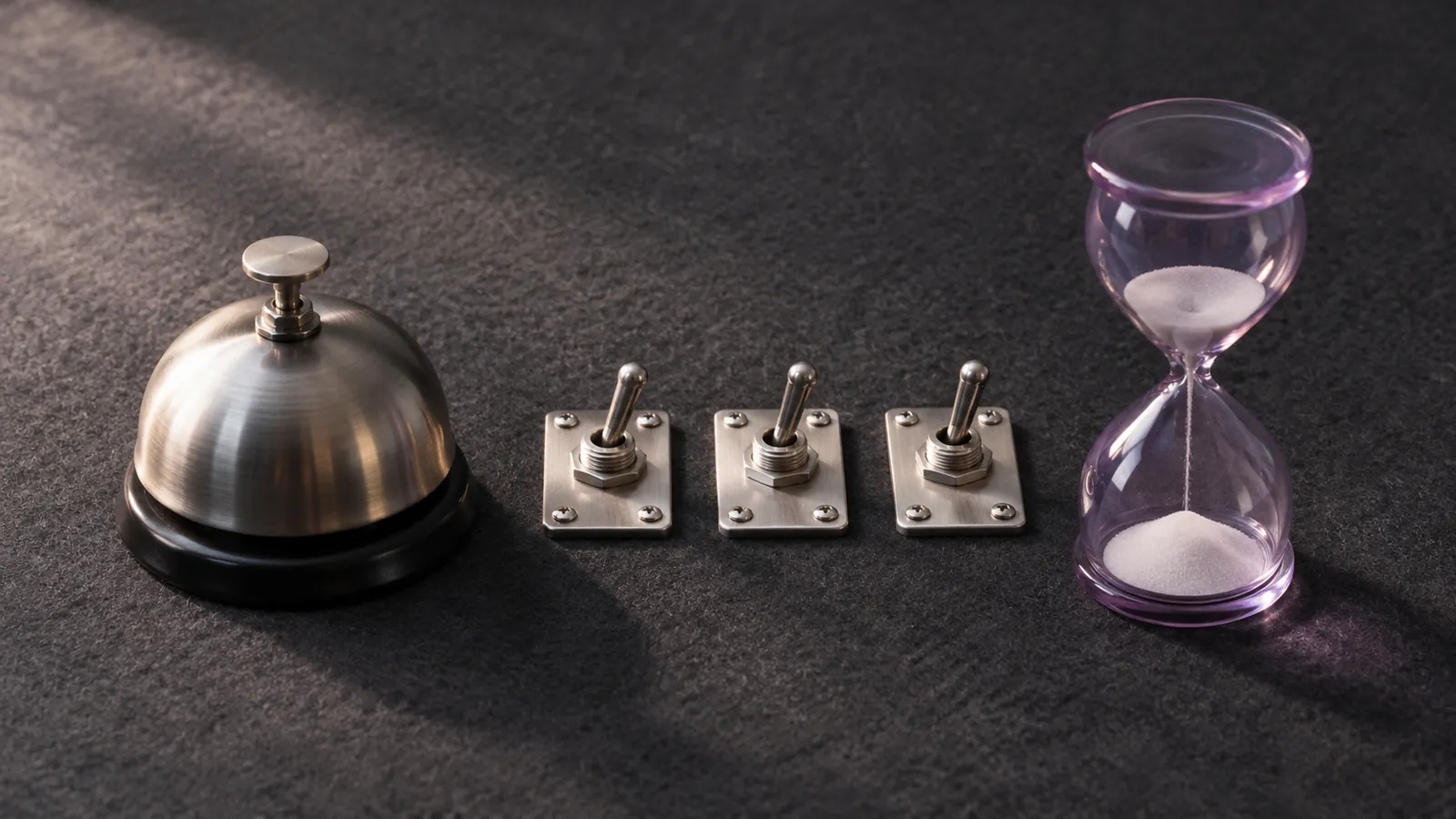
Our interpretation for a student club or small AI team: the interesting idea is making a request cost something explicit. If everyone can label a job urgent without a tradeoff, the label stops helping you decide what runs first.
Suppose your group shares a machine for training a classifier, rendering AI-assisted video, and experimenting with image models. Giving each person a permanent evening slot is easy to explain, but unused slots can leave others waiting. Giving everyone unlimited access is flexible until two long jobs collide.
A time budget offers another option. Agree on a weekly share, let unused capacity serve extra work, and define when that extra work must yield. This is a proposed small-team exercise inspired by the report, not a claim that Ai2’s exact scheduler can be copied into a spreadsheet.
The rule should also say how to challenge an allocation. A transparent budget can still favor the wrong project. Invite people to explain a deadline, an accessibility need, or an experiment that requires an uninterrupted run. Fairness includes the ability to question the decision, not simply consistent arithmetic.
Design for interruption
Before trying any queue rule, list which jobs can safely resume and what progress they need to save. Pausing a task is only useful if its state survives. A short debug run and a long training run may need different guarantees.
For a lightweight simulation, invent ten jobs and their durations. Give each a project owner and a minimum useful run. Compare a first-come queue with a budget-based rotation on paper. Track who waits, how much time each project receives, and how often a restart would waste effort.
Do not choose the rule solely because it keeps every slot occupied. Check whether it lets someone discover a configuration error quickly, gives large experiments enough uninterrupted time, and has an understandable exception process. The point is a shared machine that helps the group finish useful work.
Try this, then make it yours.
Write a shared-machine agreement with a weekly time share, a resume requirement, and one clear exception rule.
Follow the signal.
Our reporting starts here. Practical suggestions are our analysis, and vendor performance statements are claims unless independently verified. We haven’t hands-on tested this release.
- Ai2: Impactful scheduling for GPU clusters ↗ · 2026-10-09